
Meydan Grandstand, 6th floor, Meydan road, Nad Al Sheba, Dubai, U.A.E.
Mon-Sun: 7:00 - 21:00
Somewhere between “this looks fun” and “I’m buried up to the axle in sand,” most new desert riders discover the same thing: an electric dirt bike behaves nothing like it does on a regular track or trail. The desert has its own physics. Sand shifts under load, heat drains batteries faster than you’d expect, and the silence of an electric motor means you lose one of the senses you’d normally rely on to judge how hard you’re working the machine. None of that is a reason to avoid desert riding — it’s just a reason to go in with the right expectations.
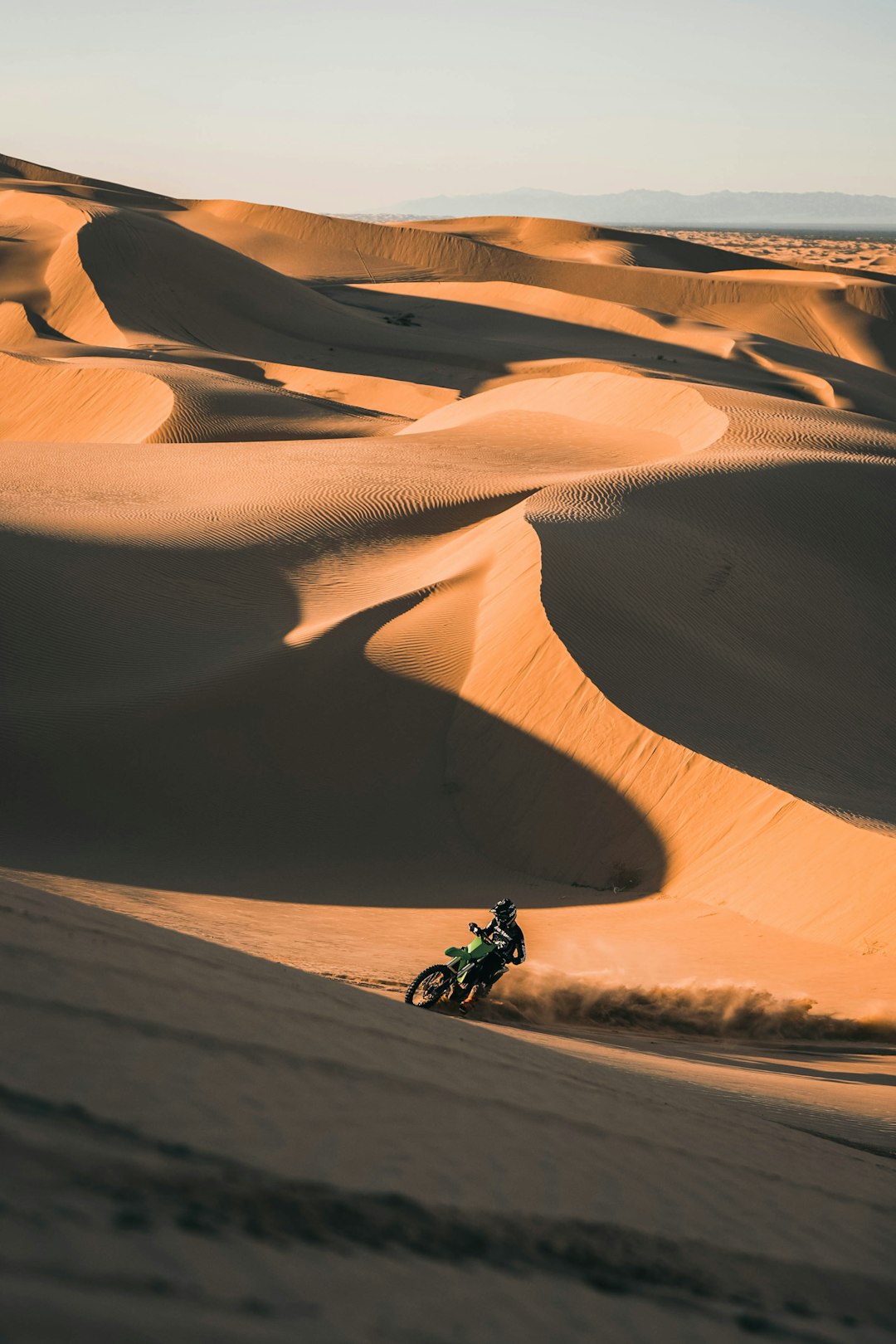
On dirt trails or tracks, the surface mostly stays where it is. In the desert, the surface is the challenge itself. Loose sand doesn’t grip the way packed earth does, dunes hide their steepness until you’re committed to the climb, and a slope that looks gentle from a distance can turn into a wall once you’re on it. Riders coming from motocross backgrounds often assume their skills transfer directly, and they’re partly right — but the throttle discipline that works on hard-packed dirt will bog an electric bike down in soft sand almost instantly.
Heat is the desert’s quiet tax on electric bikes. Lithium batteries lose some efficiency as ambient temperature climbs, and Dubai’s summer heat pushes that further than most manufacturers’ spec sheets account for. A range that reads comfortably on a cool morning can shrink noticeably by early afternoon. A few things help:
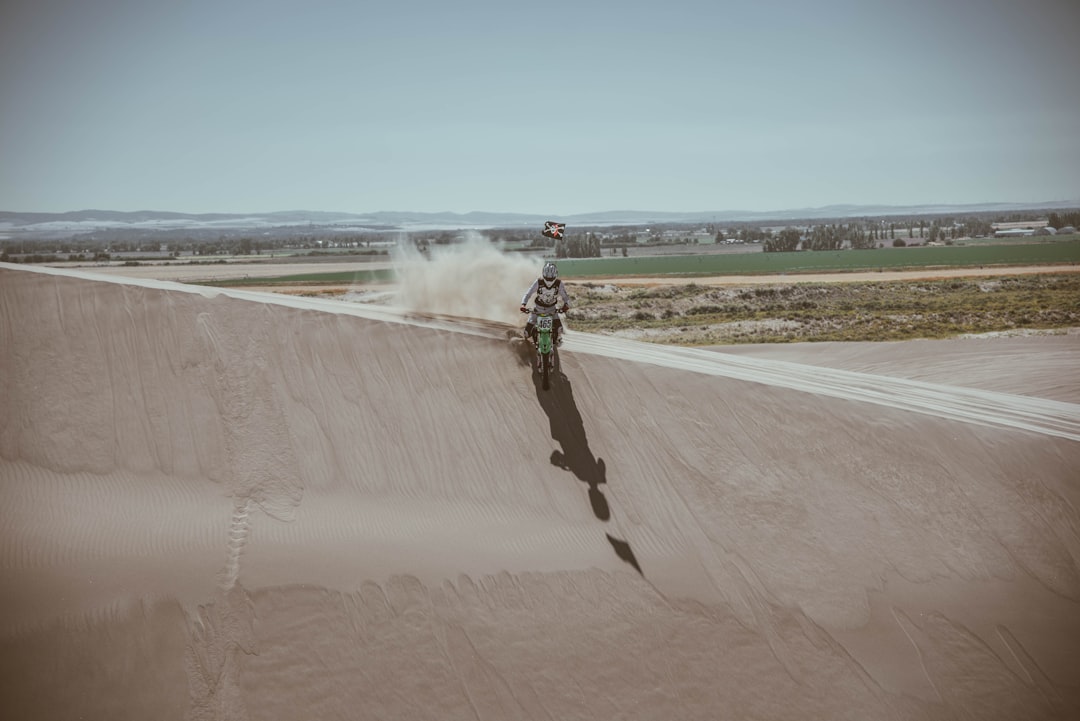
Experienced desert riders develop an eye for sand texture almost without thinking about it. Darker, slightly damp sand near shaded dune bases usually holds weight better than the bleached, powder-fine sand exposed to direct sun for hours. Ripple patterns on the surface often signal wind-packed sand that’s firmer than it looks, while smooth, unbroken slopes can hide a soft, unsupported layer just beneath the surface. None of this is guesswork you can shortcut — it comes from paying attention on every ride, not just the first one.
Electric motors deliver torque instantly, with none of the gradual power build-up you get from a combustion engine. That’s an advantage on hard climbs, where instant torque helps you power through without stalling, but it becomes a liability on flat, loose sand — a heavy hand on the throttle digs a hole faster than it builds momentum. The riders who handle sand well tend to use smooth, progressive throttle input and let momentum, not raw power, carry them across soft patches. It’s a different rhythm from trail riding, and it takes a few sessions to feel natural.
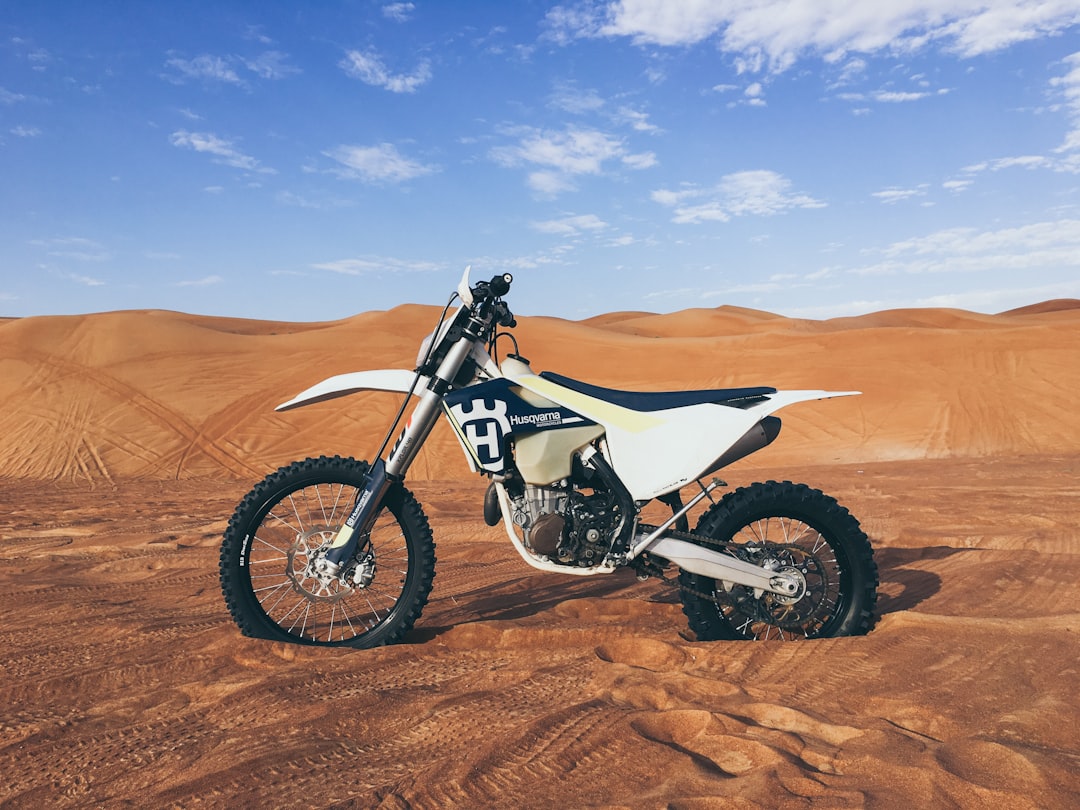
Desert riding gear differs slightly from standard motocross kit. Goggles with a tear-off or anti-fog coating matter more here, since fine sand kicked up by other riders finds its way into everything. A hydration pack is close to non-negotiable — dehydration creeps up faster in dry heat than most riders notice until they’re already struggling. And a basic recovery kit, even something as simple as a folding sand board, turns a stuck bike from a long walk back into a short delay.