
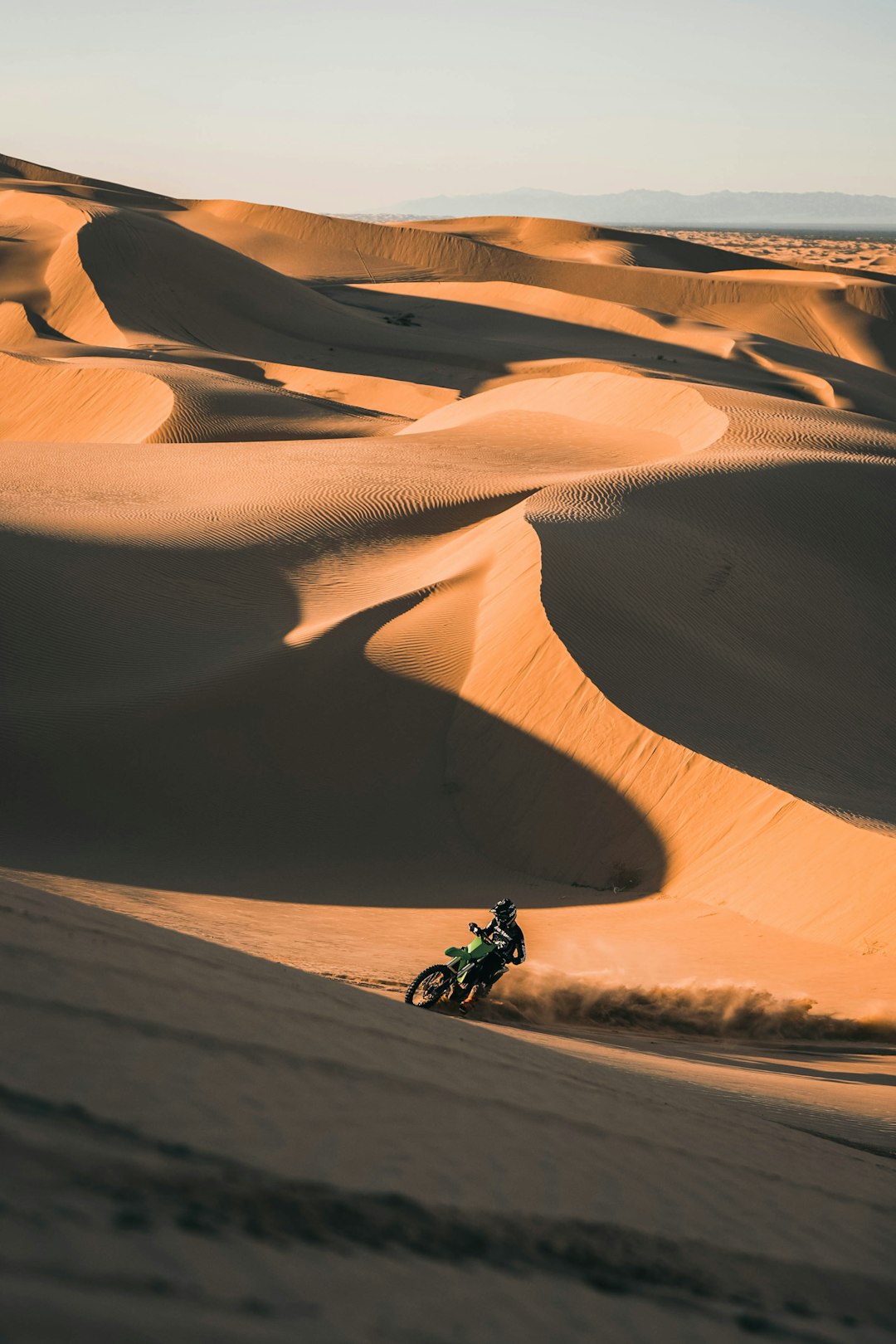
Sand is patient. It doesn’t damage a dirt bike the moment you ride through it — it works its way in slowly, hiding in bearings, wearing at seals, and settling into places a quick hose-down never reaches. Riders who skip proper cleaning after a desert session usually don’t notice the cost until months later, when a bearing that should have lasted years grinds out early, or a chain that should have needed one adjustment needs three. A few extra minutes after every ride prevents most of this entirely.

Why sand is harder on bikes than mud or dirt
Mud, for all its mess, tends to clump and wash away. Sand behaves differently — fine grains work into gaps that mud never reaches, and because sand is abrasive rather than sticky, it acts almost like grinding paste wherever it settles between moving parts. A chain running with sand trapped in its links wears both the chain and sprockets faster than dry running ever would. This is exactly why desert riders who clean thoroughly after every ride get noticeably more life out of drivetrain components than riders who rinse and forget.
Start dry, before any water touches the bike
It’s tempting to reach straight for a hose, but starting wet turns loose sand into a gritty paste that’s harder to remove than the dry sand you started with. Before any water gets involved:
- Use a soft brush or compressed air to knock loose sand off the frame, suspension, and wheels.
- Pay particular attention to the space around the swingarm and shock linkage, where sand tends to collect and hide.
- Brush out the radiator fins and any air intake areas carefully — these clog easily and affect cooling performance.
- Check the battery compartment seals for trapped sand before you get anywhere near water.
Rinsing without causing new problems
Once loose sand is gone, a gentle rinse handles what’s left. High-pressure washers feel satisfying but can force water past seals that were never designed to handle that kind of pressure — this is especially true around the battery housing and any electrical connectors on an electric dirt bike, where water intrusion is a genuinely expensive mistake. A garden hose on a moderate setting, held at a reasonable distance, does the job just as effectively without the risk.
The chain deserves its own routine
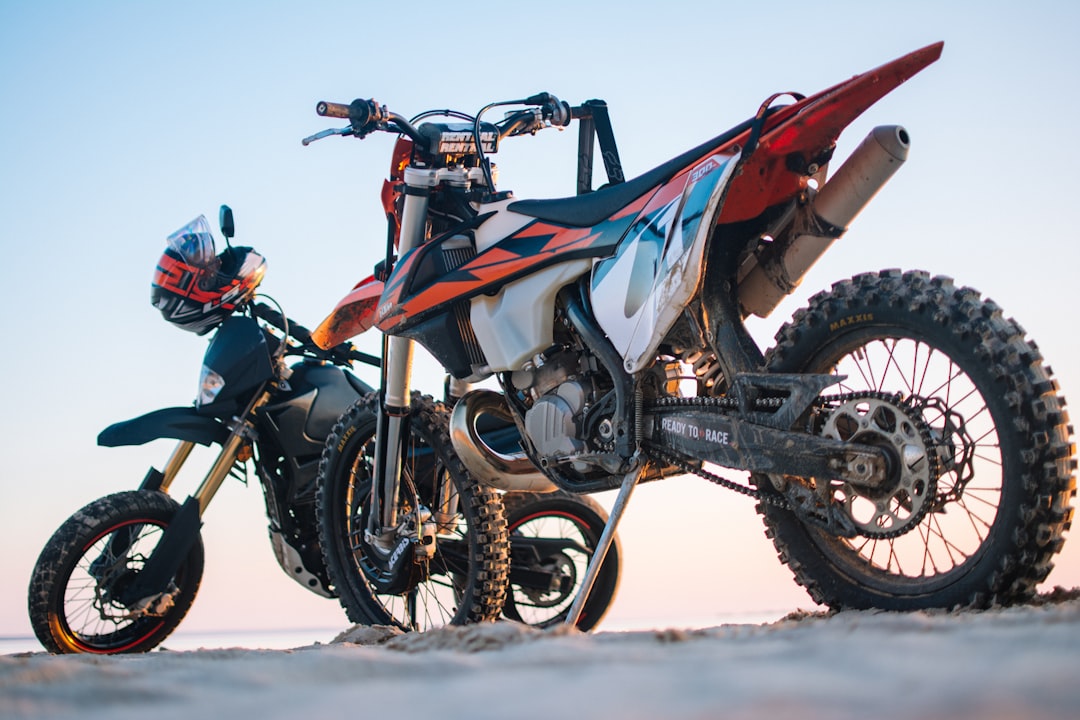
A chain that looks clean but was lubricated while still slightly damp often collects more sand on the next ride than one left dry a little longer before oiling. Patience here pays off more than it seems like it should.
- Brush off loose sand and debris.
- Rinse gently, avoid high pressure.
- Dry thoroughly before lubricating.
- Apply chain lubricant sparingly.
Drying properly matters as much as washing
Water left sitting in tight spaces — around bearings, inside the swingarm pivot, near electrical connectors — causes more long-term damage than the sand itself in some cases. After rinsing, dry the bike with a clean cloth or compressed air, paying particular attention to any seams, joints, and the battery compartment. Letting the bike air-dry in shade for a while before storage or charging is a small habit that protects both the mechanical and electrical sides of the machine.