
Every week, someone walks into a dirt bike shop convinced they need the biggest, most powerful electric bike on the rack — and every week, a good salesperson talks at least half of them out of it. Bike size isn’t about how tall or confident you feel standing next to it in a showroom. It’s about rider height, weight, skill level, and what you actually plan to do with the bike once the excitement of buying it wears off. Get this wrong, and you either end up intimidated by a machine that outpaces your skill, or bored by one that stopped challenging you after a month.
Start with the rider, not the bike
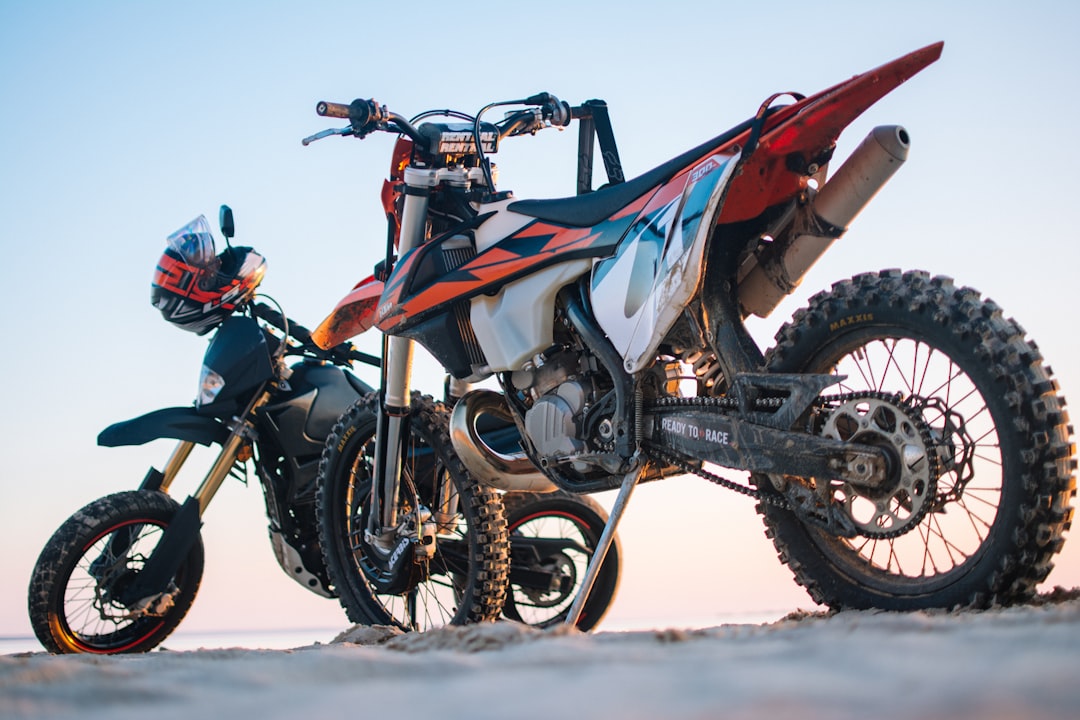
Manufacturers publish seat height and recommended rider weight for a reason — these numbers matter more than horsepower figures for most buyers. A bike that’s too tall makes it hard to plant both feet confidently at a stop, which matters enormously on uneven desert terrain where you need to catch your balance quickly. A bike that’s too short cramps your riding position and limits how much control you have standing on the pegs during technical sections. Neither extreme is dangerous exactly, but both make riding noticeably harder than it needs to be.
Kids and youth models
For younger riders, sizing is less about height alone and more about matching power output to experience. Youth electric dirt bikes typically offer adjustable power modes, letting a parent limit top speed and acceleration while a child builds confidence, then gradually opening up performance as skill develops. This is one of the genuine advantages of electric platforms over petrol youth bikes — there’s no carburetor to rejet or restrictor plate to swap out; power limiting is usually just a setting.
Adult sizing: height is only part of the story
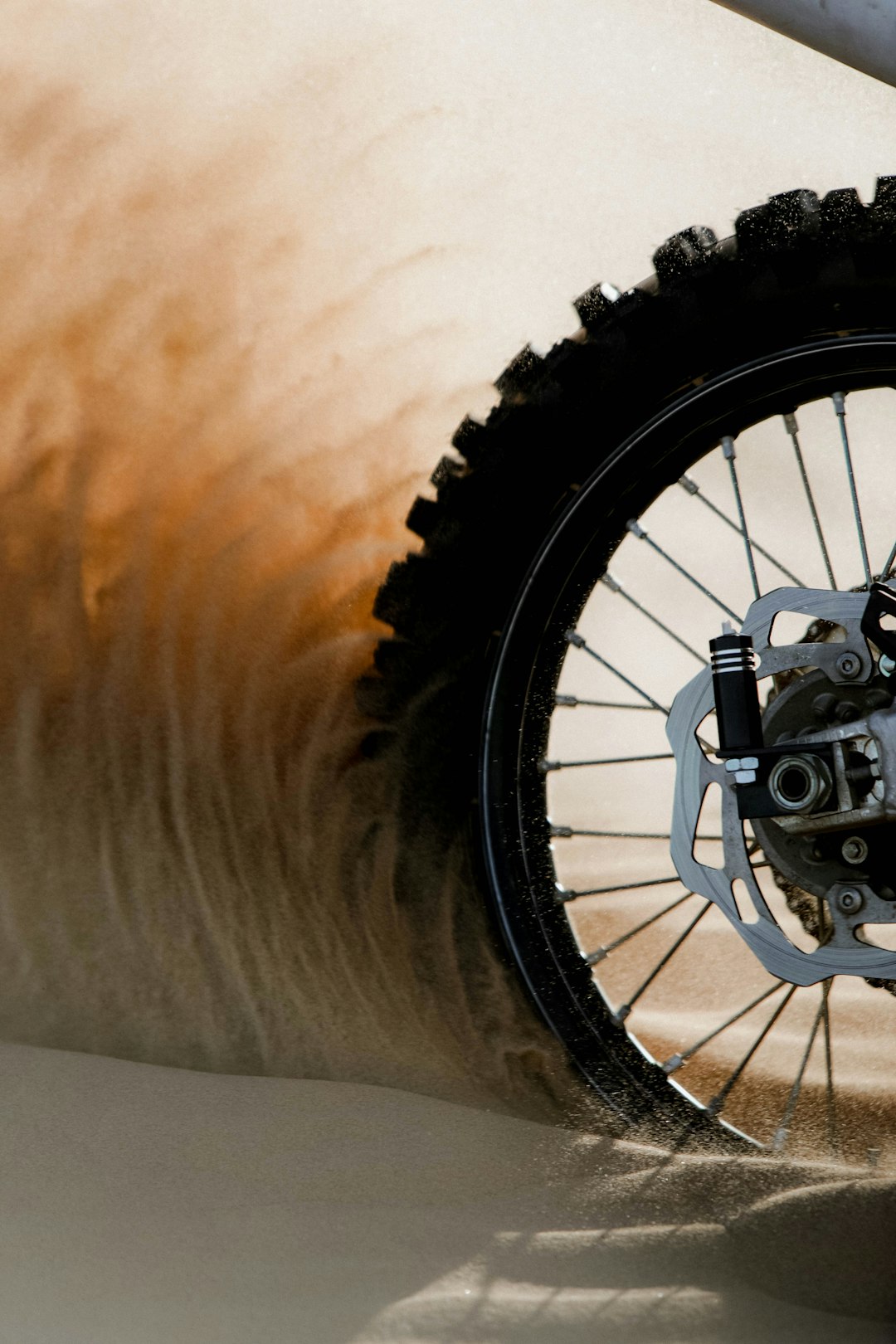
For adult riders, seat height determines whether you can comfortably flat-foot the bike or need to tip it slightly to reach the ground — both are fine riding styles, but comfort with either affects how confident you feel in tricky terrain like soft sand or uneven dune bases. Inseam length matters more than overall height here, since two riders of the same height can have noticeably different leg lengths.
Weight capacity matters just as much, particularly for desert riding, where a bike works harder pushing through sand than it does on packed trails. A bike rated near the upper edge of your body weight will feel sluggish and drain its battery faster under load. Leaving some margin between your weight and the bike’s rated capacity keeps performance closer to what the spec sheet promised.
Matching power output to skill level
Electric dirt bikes are often categorized by power output, and it’s tempting for new riders to assume more power is simply better. In practice, higher-power bikes deliver torque more aggressively, which is fantastic for an experienced rider climbing a steep dune and genuinely unforgiving for someone still learning throttle control. A bike with adjustable ride modes solves this neatly — riders can start in a restrained setting and unlock full power as their confidence and skill catch up, rather than being stuck with one aggressive power curve from day one.
Test riding beats guessing every time
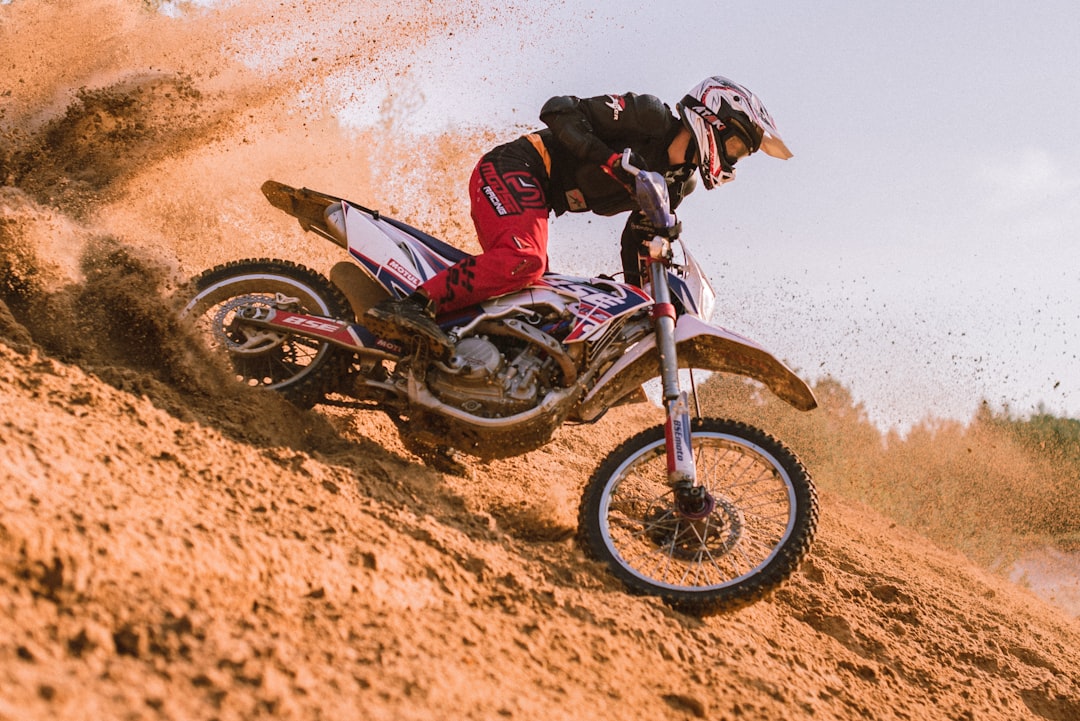
Specification sheets are a starting point, not a verdict. Two bikes with identical seat heights and power figures can feel completely different once you’re actually sitting on them, thanks to differences in frame geometry, suspension travel, and where the battery weight sits on the chassis. If there’s any way to sit on — or better, ride — a bike before committing, take it. A few minutes on sand tells you more than an hour of comparing spec sheets ever will.