
You bought an electric dirt bike, charged it overnight, and now you’re standing in your garage with no idea where to actually take it. Dubai isn’t short on open space, but riding wherever you like isn’t how things work here — the city has rules about motorized vehicles, and the desert looks emptier than it is. Before your first ride, it helps to know exactly which spots welcome electric bikes and which ones will get you a fine or a very awkward conversation with a ranger.
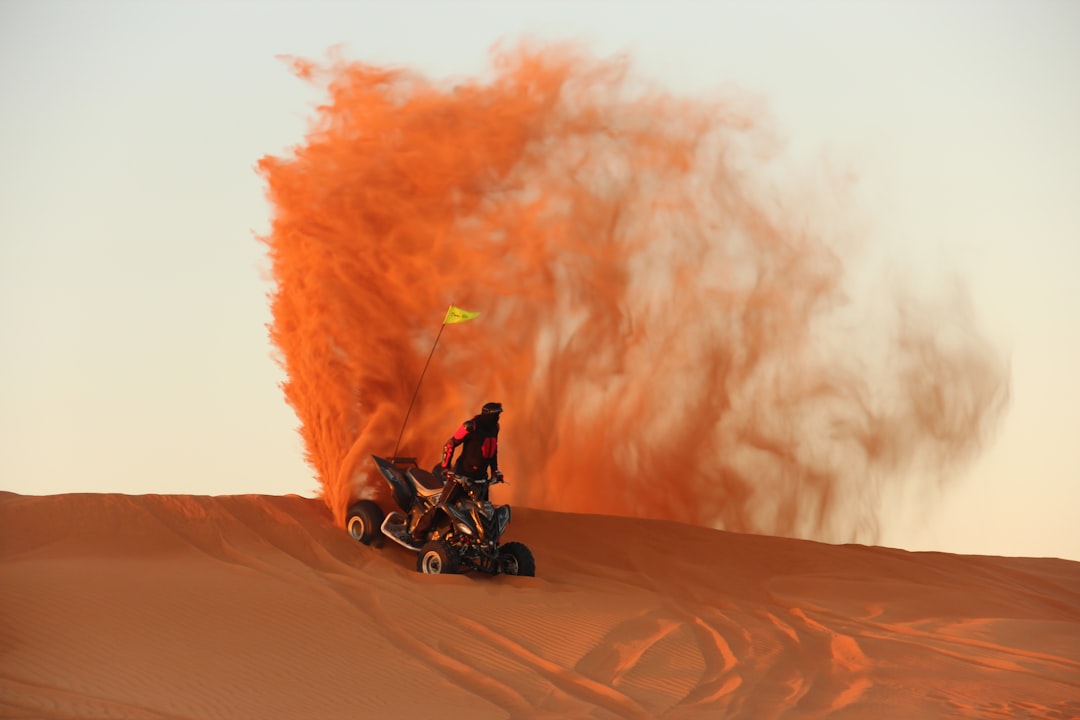
The short answer: purpose-built tracks first
Dubai has invested heavily in off-road and motorsport infrastructure over the past few years, and that’s genuinely good news for dirt bike owners. Dubai Autodrome runs a dedicated off-road park with graded trails, jumps, and technical sections built specifically for dirt bikes and quads. It’s fenced, marshalled, and designed so riders of different skill levels don’t end up sharing a track with someone doing their first lap. For anyone new to electric dirt bikes, this is the safest starting point — smooth silent power delivery on a track with clear boundaries beats guessing your way through open dunes.
Al Qudra also has designated areas for off-road riding, separate from the cycling and walking tracks that dominate the region. These strips of desert are less manicured than Autodrome but still offer enough structure that you’re not navigating blind.
The desert: incredible, but not a free-for-all
The Dubai desert stretches for miles, and it’s tempting to treat all of it as a playground. In practice, large sections are protected reserves — the Dubai Desert Conservation Reserve being the biggest example — where motorized entry is restricted or banned outright to protect wildlife and vegetation. Riding into a reserve without authorization isn’t a grey area; it’s a straightforward violation with real penalties.
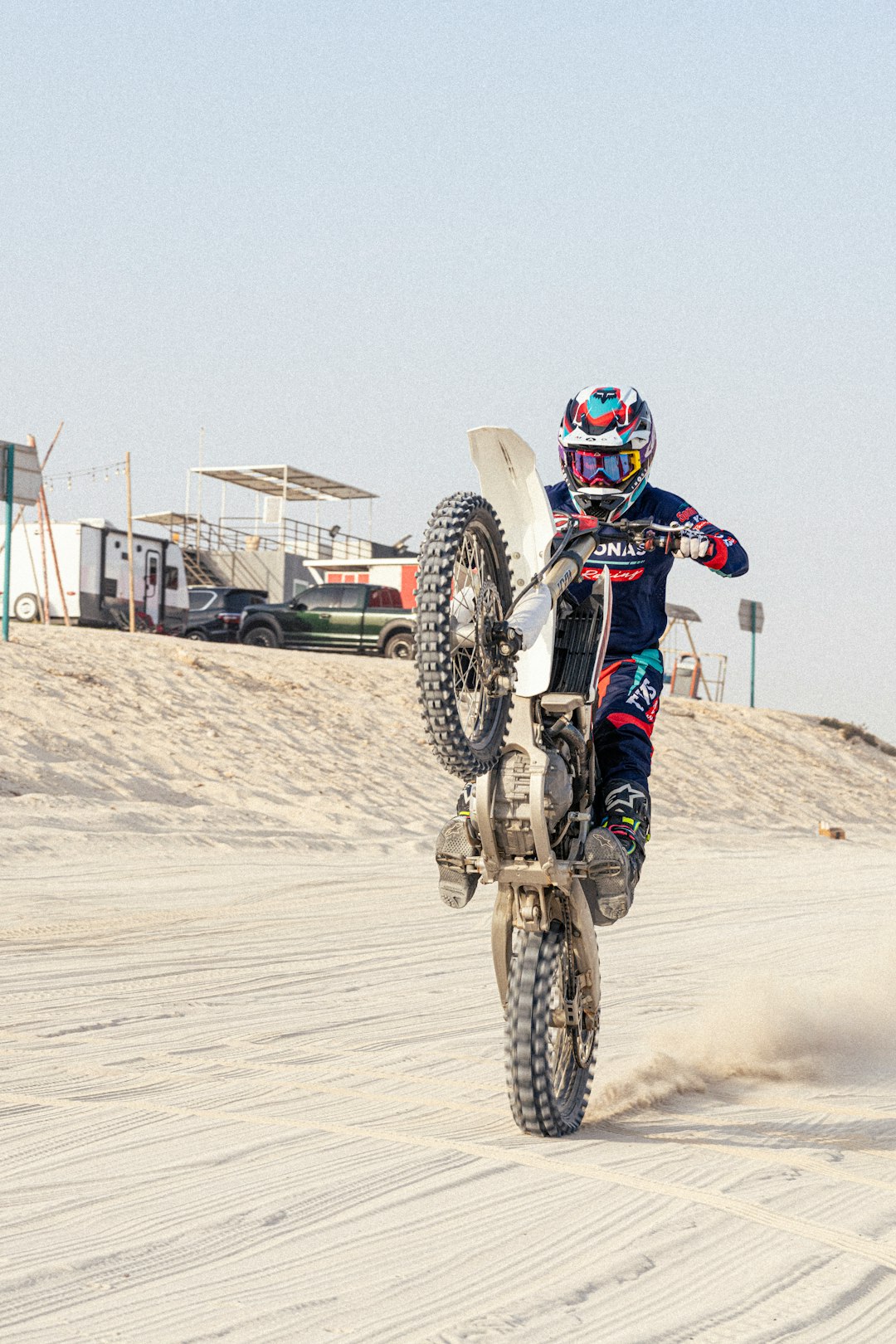
Outside protected zones, there’s still a difference between “technically open desert” and “sensible place to ride.” Private land, grazing areas, and spots close to residential communities all carry their own restrictions or simply aren’t safe due to unpredictable traffic from other vehicles. The rule of thumb: if you can’t confirm a stretch of desert is open for off-roading, treat it as closed until you find out.
Guided desert routes
A growing number of operators run guided electric dirt bike routes through approved sections of desert near Dubai, often combining scenic dune riding with a briefing on terrain reading — how to spot a soft patch before your front wheel finds it for you. These routes are worth trying even for experienced riders, because local guides know which dunes shift after wind events and which ones hold their shape. That knowledge saves you from the embarrassing (and occasionally painful) experience of burying a bike in sand that looked perfectly solid from a distance.
A quick comparison
- Dubai Autodrome off-road park: Open to public, paid entry. Best for beginners, technical practice.
- Al Qudra designated areas: Open, marked zones. Best for casual desert riding.
- Guided desert routes: Booked in advance. Best for scenic riding, dune technique.
- Protected reserves: Restricted / no entry. Nowhere — stay out.
Why electric changes the calculation
One thing worth mentioning: electric dirt bikes are quieter than combustion bikes, which matters more in Dubai than it might elsewhere. Noise complaints near residential edges of the desert are a real source of friction between riders and authorities, and a silent motor buys you goodwill that a two-stroke engine never will. It also means you can ride at times — early morning, just after sunset — when the noise of a petrol bike would draw complaints, but an electric one barely registers.
Timing your ride around the climate
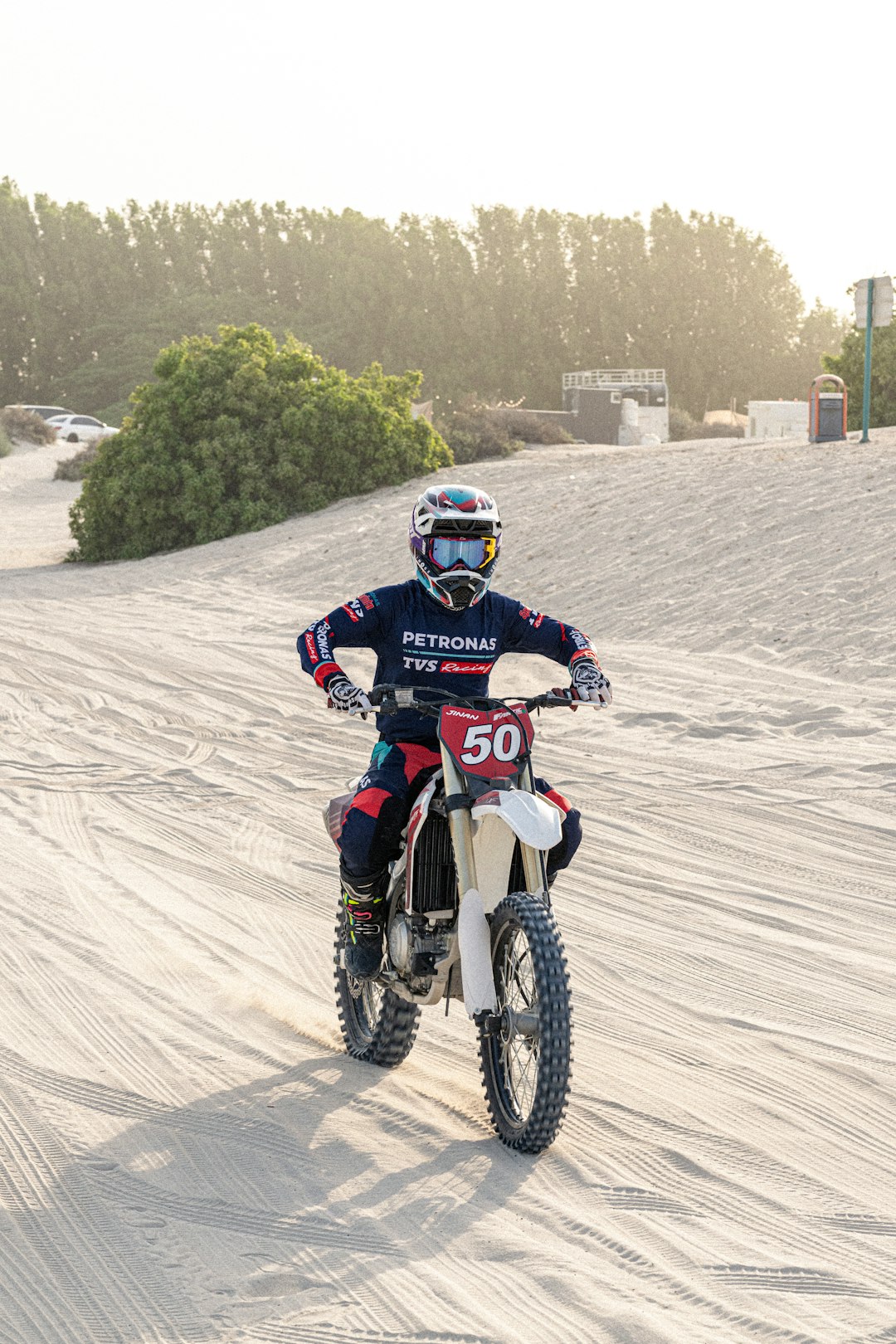
Location isn’t the only variable that matters — timing shapes the experience just as much. Between June and September, midday desert temperatures regularly climb past 45°C, and dark sand can get hot enough to be genuinely uncomfortable if you come off the bike. Locals who ride regularly shift their schedules toward early morning or the hour before sunset, when the light turns the dunes gold and the heat finally lets go of the day. Electric bikes handle heat differently from petrol engines too — battery performance can dip slightly in extreme temperatures, so a cooler ride isn’t just more pleasant, it’s also better for your range.
Winter months, from November through February, flip the equation entirely. Mornings can be cool enough for a light jacket, and the desert holds its shape better after rain, which occasionally falls in short, sharp bursts. Riders who know the calendar tend to treat winter as prime season and summer as something to work around rather than ignore.